
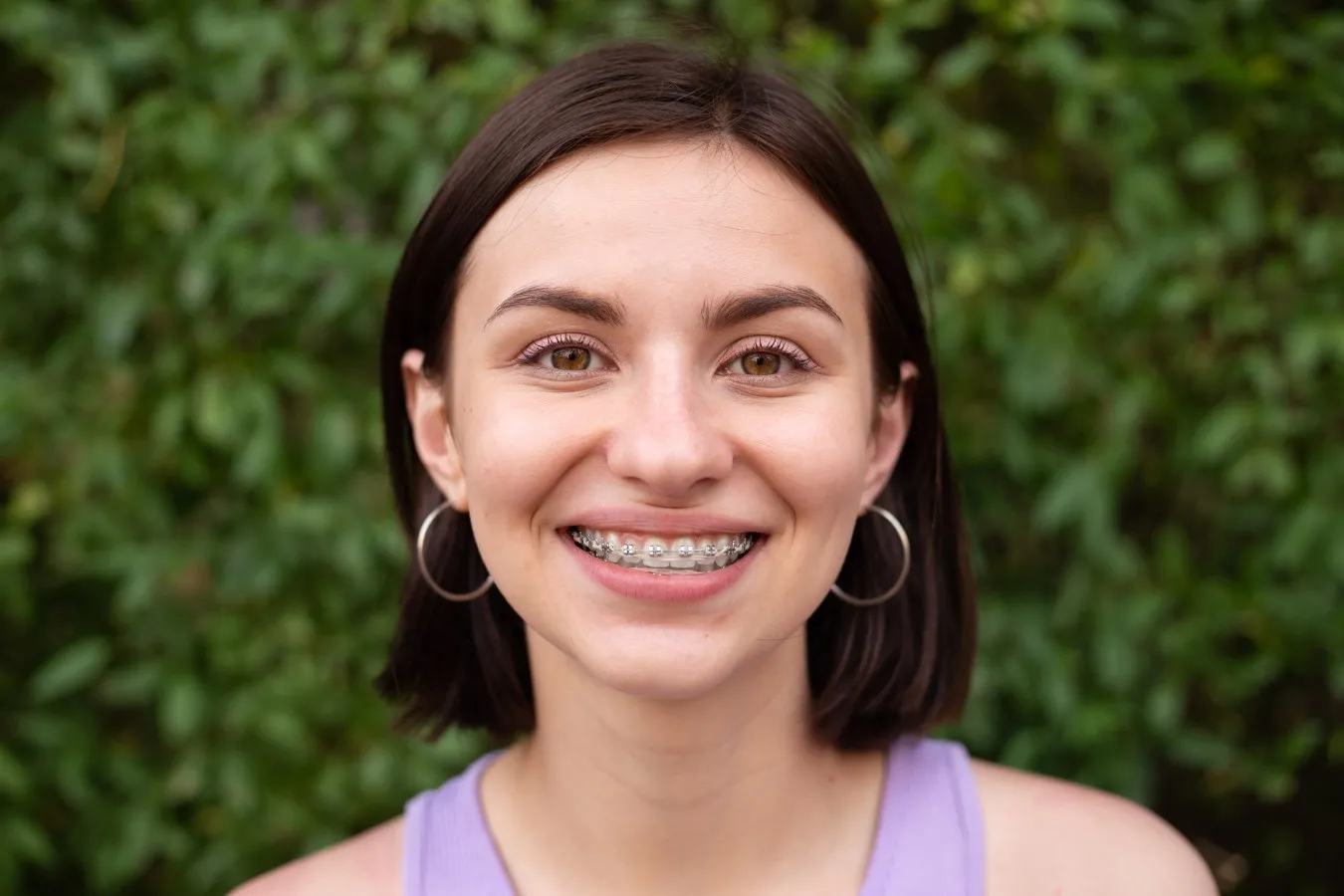
What Are Adult Braces and Why Are More Adults Getting Them?
Adult braces are orthodontic appliances, including metal braces, ceramic braces, and Invisalign, used to correct misalignment, bite issues, and spacing in patients over 18. There is no age limit for orthodontic care, and a growing share of orthodontic patients today are adults. This shift reflects both newer discreet options and a growing understanding that straight teeth aren’t just about appearance.
As long as your gums and bone structure are healthy, a board-certified orthodontist like Dr. Okuda can help you benefit from braces whether you’re 25, 45, or 65. Adults pursue braces for many reasons: some want to address issues they couldn’t fix as teenagers, while others notice their teeth shifting over time. Health concerns like jaw discomfort, difficulty cleaning crowded teeth, or uneven wear also motivate adults to explore orthodontic treatments.
The stigma around adult braces has faded significantly. With ceramic braces that blend with your teeth and Invisalign aligners that are nearly invisible, orthodontic care fits into professional and social life more easily than ever. A healthier smile pays off in ways that go beyond looks, affecting how you feel and carry yourself day to day.
The Treatment Process: From Free Consult to Confident Smile
Adult orthodontic care follows a structured process from initial evaluation through retention. At Okuda Orthodontics, it begins with a free consult where Dr. Okuda takes 3D scans and photographs to understand your unique dental structure. The practice uses cone beam 3D imaging to create a detailed view of your teeth, jaw, and skull. This technology allows for precise diagnosis and a custom smile design built around your goals.
Your options typically include:
- Metal braces that offer precise control for complex corrections
- Ceramic braces that blend with your natural tooth color
- Invisalign clear aligners that are removable and nearly invisible
Before starting orthodontics, some adults need preliminary care. This might include treating cavities, addressing gum disease, or replacing old restorations. Dr. Okuda will coordinate with your general dentist to make sure your mouth is ready.
Average time in braces for adults ranges from 12 to 36 months, depending on the complexity of your case. Adults sometimes experience slightly longer timelines than teenagers because mature bone is denser. That said, many adults finish faster than expected thanks to modern techniques and consistent compliance.
After your braces come off, the retention phase begins. Wearing retainers as directed is essential to maintain your results long-term. Braces are temporary, but retainers are for life.
Key Benefits of Braces for Adults Beyond a Straighter Smile
Adult braces provide benefits that go well beyond aesthetics. Straighter teeth support easier oral hygiene, less jaw strain, and greater confidence. Here’s a closer look.
How Do Straight Teeth Improve Oral Hygiene?
Straight teeth are simpler to brush and floss thoroughly. When teeth overlap or crowd together, plaque and bacteria hide in spots your toothbrush can’t reach. Proper alignment reduces your risk of cavities and gum disease, which means fewer trips to the dentist for restorative work down the road.
Can Braces Help With Jaw Discomfort and Headaches?
Yes, braces can reduce TMJ symptoms and chronic headaches by correcting bite misalignment that stresses jaw joints and muscles. Correcting an overbite, underbite, or crossbite can ease these symptoms, reduce chronic headaches, and eliminate jaw clicking or popping. If you’ve been living with any of these issues, orthodontic care may be part of the solution.
How Do Braces Protect Against Tooth Wear?
When your bite doesn’t line up properly, certain teeth bear more pressure than they should. Over time, this leads to uneven wear, chips, and enamel erosion. Orthodontic correction distributes biting forces evenly across all your teeth, helping them last longer.
Does Straightening Your Teeth Really Boost Confidence?
A smile you’re proud of makes a difference, whether it’s a work presentation or just catching up with friends. Many adults report feeling more outgoing after finishing their orthodontic care. The change tends to show up in how people talk, smile, and engage with others around them.
Can Braces Improve Chewing and Speech?
Misaligned teeth can affect how you chew food and even how you speak. Correcting these issues improves both eating comfort and speech clarity, two things most people take for granted until something feels off.
Adult Braces vs. Invisalign: Comparing Your Orthodontic Options
Choosing between braces and Invisalign depends on your specific needs, lifestyle, and goals. Here’s how the options compare:
| Feature | Metal Braces | Ceramic Braces | Invisalign |
|---|---|---|---|
| Visibility | Most noticeable | Blends with teeth | Nearly invisible |
| Removability | Fixed | Fixed | Removable for eating and cleaning |
| Best for | Complex cases | Moderate to complex cases | Mild to moderate cases |
| Maintenance | Careful brushing around brackets | Careful brushing; may stain if not maintained | Remove to brush normally |
| Compliance needed | Low (always working) | Low (always working) | High (must wear 20-22 hours daily) |
| Adjustment visits | Every 4-8 weeks | Every 4-8 weeks | Aligner changes at home; periodic check-ins |
Metal braces remain the most versatile option. They handle severe crowding, significant bite issues, and complex tooth movements with clinical precision. Modern brackets are smaller and more comfortable than older versions.
Ceramic braces work similarly but use tooth-colored or clear brackets. They’re popular with adults who want effective care without the metallic look.
Invisalign uses a series of custom clear aligners that gradually shift your teeth. You remove them to eat, drink, brush, and floss. This flexibility appeals to many adults, though results depend on wearing aligners consistently.
At Okuda Orthodontics, Dr. Okuda evaluates each patient’s case to recommend the most effective approach. Some adults benefit from a combination of methods, or may find that one option suits their lifestyle better than another.
How Much Do Adult Braces Cost? Factors That Affect Pricing
Adult braces typically cost between $3,000 and $7,000. Several factors affect your specific cost, and understanding them helps you plan ahead. Many dental insurance plans cover a portion of adult orthodontics, which can reduce your out-of-pocket expense significantly.
Type of appliance. Metal braces tend to cost less than ceramic braces or Invisalign. Clear aligner care often falls at the higher end of the range.
How complex your case is also plays a major role. Minor spacing issues require less time and fewer adjustments than severe crowding or significant bite correction, so more involved cases naturally cost more. The length of your time in braces matters too, since a longer timeline means more office visits and materials.
Where you live affects pricing as well. What you’d pay in a smaller city may differ from a major metro area, and costs vary from practice to practice.
Check with your insurance provider to understand your specific benefits. Even partial coverage can make a real difference.
At Okuda Orthodontics, you can spread payments out over the course of your care. The practice offers financing options and an online payment calculator so you can explore what works for your budget before your first visit.
Am I a Good Candidate for Adult Braces?
Most adults with healthy teeth and gums are excellent candidates for orthodontic care. Here are the main factors Dr. Okuda considers:
- Treatable conditions. Crowding, gaps between teeth, overbite, underbite, crossbite, and open bite all respond well to orthodontic correction. Even if you had braces as a teenager and your teeth have shifted since, retreatment is absolutely possible.
- Existing restorations. Crowns, bridges, veneers, or implants don’t automatically disqualify you. Dr. Okuda will build a custom smile design that works around what’s already in your mouth.
- Oral health status. Active gum disease or significant bone loss may need attention before orthodontics can begin. Treating these conditions first creates a stable foundation for moving teeth safely.
- Your commitment level. Adults who follow instructions about wearing elastics, keeping appointments, and maintaining oral hygiene see the best results. Consistency matters more than age.
The best way to know if you’re a candidate is to schedule a free consult at Okuda Orthodontics. During this visit, Dr. Okuda examines your teeth, reviews your dental history, and discusses your goals. You’ll leave with a clear understanding of your options and what to expect going forward.
Frequently Asked Questions About Adult Braces
Is there an age limit for getting braces?
No. Adults of any age can benefit from orthodontic care. The key factors are the health of your teeth, gums, and supporting bone, not how old you are. Patients in their 50s, 60s, and beyond successfully complete care regularly.
Will braces interfere with my daily routine?
Not significantly. Most adults adjust to braces or aligners within a few days to a couple of weeks. You may need to modify some eating habits with braces, but care fits into busy professional and personal schedules. Clear aligners offer extra flexibility since you remove them for meals and special occasions.
How long does adult orthodontic treatment take?
It depends on your case. Typical timelines run 12 to 36 months. Minor adjustments may wrap up in under a year, while more significant corrections take longer. Dr. Okuda will give you a realistic timeline during your free consult.
Do I need other care before starting braces?
Possibly. If you have untreated cavities, gum disease, or damaged teeth, Dr. Okuda may recommend addressing those first. Starting with a healthy mouth keeps things moving smoothly and reduces the risk of complications.
Are adult braces uncomfortable?
Expect some mild discomfort, especially in the first few days after getting braces or switching to a new aligner. Most patients describe it as pressure rather than anything sharp. Over-the-counter relievers and orthodontic wax help manage any soreness, which typically fades within a few days as your mouth adjusts.