
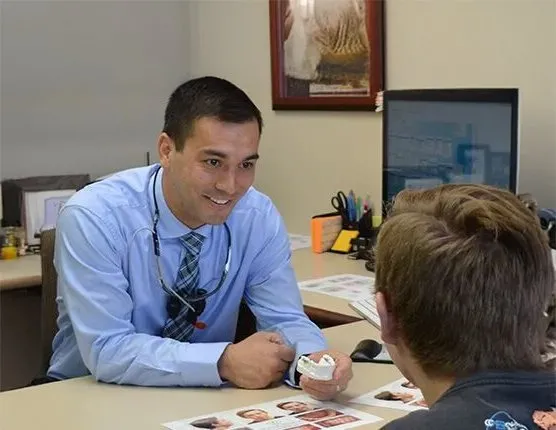
What Is a Pediatric Orthodontist and Why Does It Matter?
A pediatric orthodontist is a dental specialist who completes additional training beyond dental school and orthodontic residency, focusing specifically on jaw growth patterns and childhood dental development. While general dentists provide overall oral care and general orthodontists treat kids, teens, and adults, pediatric-focused orthodontists concentrate their clinical precision on the unique needs of growing children. These providers aren’t a separately credentialed subspecialty, but orthodontists who have built deep expertise around treating younger patients. For families in Henderson, NV exploring orthodontic options, understanding this distinction is a smart first step.
This difference matters more than many parents realize. Children’s mouths are constantly changing. Baby teeth fall out, permanent teeth erupt, and jaw bones grow at different rates. A specialist who understands these developmental patterns can identify issues early and guide treatment at the right time. That kind of timing can make all the difference.
The American Association of Orthodontists recommends every child receive their first orthodontic evaluation by age 7. Why so young? By this age, enough permanent teeth have come in to spot potential issues with tooth alignment, spacing, and bite development. Early detection doesn’t always mean early treatment. Sometimes it means monitoring and waiting for the right moment to act.
Specialized orthodontic care options have grown significantly in recent years, including board-certified providers with specialized training in pediatric orthodontics like Dr. Brady Okuda at Okuda Orthodontics. When choosing a provider, look for board certification from the American Board of Orthodontics and AAO membership. These credentials mean the orthodontist has passed rigorous examinations and demonstrated clinical excellence beyond the minimum requirements for practice. It’s worth asking about.
How Pediatric Orthodontic Treatment Works: From First Visit to Final Smile
Understanding the treatment process helps parents and kids feel prepared for what’s ahead. Here’s how pediatric orthodontic care typically unfolds.
Step 1: First Visit
The first visit includes a thorough examination with digital imaging. Many practices now use 3D scanning technology like the i-CAT™ Imaging System, which provides detailed views of teeth, jaw structure, and facial bones. Your orthodontist will assess your child’s bite, check for crowding or spacing issues, and take photographs to document the starting point. This part usually takes about an hour, and most kids handle it just fine.
Step 2: Custom Smile Design
Based on the diagnostic records, your orthodontist develops a custom smile design. There’s no one-size-fits-all plan. Options might include braces, Invisalign for Kids, or a two-phase approach. Two-phase treatment addresses jaw alignment issues early, before all permanent teeth have erupted, then follows up with a second phase during the teen years if needed. Your orthodontist will walk you through the reasoning behind their recommendation so you understand the “why” behind every decision.
Step 3: Active Treatment
Once treatment begins, your child will visit the practice every 4 to 8 weeks for adjustments. These visits are typically quick, sometimes just 15 to 20 minutes.
Step 4: Retention Phase
After the braces come off or the final aligner is complete, retainers maintain the results. This phase is just as important as active treatment, and parents sometimes underestimate it. Without proper retention, teeth can shift back toward their original positions over time. Your orthodontist will explain exactly how often your child needs to wear their retainer and for how long.
The entire process requires teamwork between the orthodontist, parents, and the child. Clear communication at each stage keeps everyone on the same page.
Key Benefits of Starting Orthodontic Treatment Early
Early orthodontic intervention can guide jaw growth, protect protruding teeth from injury, and reduce the length and complexity of future treatment. The advantages go well beyond straight teeth.
How Does Early Treatment Guide Jaw Growth?
When jaw bones are still developing, orthodontists can influence their shape and position. This can correct or prevent bite issues like underbites, crossbites, and severe overbites. The window for this type of correction closes as your child gets older, which is why timing matters so much.
Protecting Protruding Teeth From Injury
Kids with front teeth that stick out face higher risk of dental trauma during sports and play. Early treatment can reduce this risk significantly. In fact, it’s one of the most common reasons parents bring younger children in for evaluation.
Phase 1 Can Shorten Phase 2
Phase 1 treatment often creates more space and better alignment, making Phase 2 treatment shorter and less complex during the teen years. It builds confidence during formative years, too. Children notice their smiles, and addressing obvious alignment issues early can boost self-esteem during important social development stages.
Straighter teeth are easier to brush and floss properly. Crowded or overlapping teeth make daily care harder and increase cavity risk. Some orthodontic issues also contribute to mouth breathing, snoring, or speech difficulties. Correcting jaw alignment can improve these functional concerns in ways parents don’t always expect.
Not every child needs early treatment. A qualified orthodontist will recommend intervention only when there’s a clear benefit to starting sooner rather than waiting.
Kids’ Braces vs. Invisalign for Kids: Which Is Right for Your Child?
Parents often ask about the difference between braces and clear aligners for children. Both options work well, but they suit different situations.
| Factor | Traditional Metal Braces | Invisalign First/Teen |
|---|---|---|
| Best for | Complex cases, all bite types | Mild to moderate alignment issues |
| Age range | Any age | Invisalign First: ages 6-10; Teen: 11+ |
| Visibility | Metal brackets and wires visible | Nearly invisible clear plastic |
| Removability | Fixed in place | Removable for eating and brushing |
| Compliance needed | Minimal (always working) | High (must wear 20-22 hours daily) |
| Eating restrictions | Yes (avoid hard, sticky foods) | None (remove aligners to eat) |
| Adjustment visits | Every 4-8 weeks | Every 6-10 weeks |
Traditional Metal Braces
Traditional metal braces remain the most versatile option. They handle complex cases involving severe crowding, significant bite issues, and rotated teeth. Since they’re fixed to the teeth, there’s no worry about a child forgetting to wear them or losing them.
Invisalign First
Invisalign First was designed specifically for children ages 6 to 10 with a mix of baby and permanent teeth. These aligners accommodate growing jaws and erupting teeth while remaining nearly invisible.
Invisalign for Older Kids and Teens
Invisalign for older kids and teens includes features like compliance indicators (small blue dots that fade with wear) and eruption tabs that leave space for teeth still coming in.
The decision comes down to several factors: case complexity, your child’s maturity level, and lifestyle preferences. A board-certified provider can evaluate your child’s specific situation and recommend the right option for your child’s case.
What Does Pediatric Orthodontic Treatment Cost?
Costs vary widely depending on case complexity and treatment type. Every child’s mouth is different, so pricing reflects the specific care needed. The ranges below are general estimates, and your orthodontist will provide a detailed breakdown during your child’s first visit.
| Treatment Type | Estimated Cost Range | Duration |
|---|---|---|
| Phase 1 (Early Treatment) | $2,500 – $4,500 | 9-18 months |
| Braces | $3,000 – $6,000 | 12-24 months |
| Invisalign First/Teen | $3,500 – $7,000 | 12-24 months |
| Two-Phase Treatment (Total) | $5,000 – $8,000+ | Varies |
Note: These figures are approximate and will differ based on individual diagnosis, treatment length, and provider. Always request a personalized estimate.
Two-phase treatment may seem like a larger cost upfront. But addressing jaw issues early often prevents more involved and expensive interventions later, including potential jaw surgery in adulthood. Think of it as spending now to save later.
Most orthodontic practices offer flexible payment plans and in-house financing options. Some practices in Henderson, NV, including Okuda Orthodontics, provide payment calculators on their websites so families can estimate monthly costs before the first visit.
Dental insurance frequently covers a portion of orthodontic treatment for children under 18. Coverage amounts vary by plan, so contact your insurance provider for specific details about your benefits.
During your first visit, ask for a detailed treatment estimate that breaks down all costs. Reputable practices are upfront about fees and work with families to find payment solutions that fit their budgets.
Is Your Child a Candidate for Early Orthodontic Care?
Your child may benefit from early orthodontic care if they show signs of crowding, bite misalignment, or persistent oral habits affecting dental development. Here are signs to watch for:
- Crowded or overlapping teeth that make brushing difficult
- Crossbite, where upper teeth sit inside lower teeth when biting
- Open bite (front teeth don’t touch when back teeth are together)
- Thumb-sucking or pacifier habits persisting past age 4
- Early or late loss of baby teeth
- Difficulty chewing or biting food
- Mouth breathing or snoring
- Speech difficulties that don’t resolve with therapy alone
- Protruding front teeth
Age 7 remains the ideal time for a screening, even if your child’s teeth look straight. Some issues develop beneath the surface where only diagnostic imaging can detect them.
Many kids who get evaluated don’t need treatment right away. In those cases, the orthodontist recommends monitoring development and scheduling periodic check-ups until the timing is right. A qualified provider in Henderson, NV, like Dr. Okuda at Okuda Orthodontics, will only recommend treatment when there’s a genuine benefit. If early intervention isn’t necessary, they’ll tell you directly. Trustworthy providers prioritize your child’s needs over filling their schedule.
Frequently Asked Questions About Pediatric Orthodontists
What age should my child first see an orthodontist?
Short answer: age 7. By then, enough permanent teeth have typically erupted to identify potential issues with alignment, spacing, and bite development. Early evaluation doesn’t necessarily mean early treatment. It means catching issues at the right time so your orthodontist can act when conditions are most favorable.
How long does kids’ orthodontic treatment take?
Most kids’ orthodontic treatment takes 12 to 24 months, though Phase 1 treatment typically lasts 12 to 18 months. Two-phase treatment spans a longer total period because it includes a rest phase between Phase 1 and Phase 2. Your orthodontist will provide a more accurate timeline after evaluating your child’s specific needs.
Does my child need braces or Invisalign?
It depends on the diagnosis. Braces work well for complex cases and don’t require compliance. Invisalign suits mild to moderate issues and appeals to kids who want a less visible option. The best option depends on the severity of alignment issues and your child’s maturity level. Your orthodontist can recommend the right choice after a thorough examination.
Are pediatric orthodontists different from regular orthodontists?
All orthodontists complete dental school plus an additional 2-3 years of specialized orthodontic training. Those who focus on pediatric care develop particular expertise in childhood jaw growth, mixed dentition (baby and permanent teeth together), and age-appropriate treatment approaches. The core training is the same, but the emphasis and daily clinical focus differ.
How do I choose the best pediatric orthodontist in Henderson, NV?
Look for board certification from the American Board of Orthodontics and AAO membership, which indicate advanced competency beyond basic licensure. Consider the office environment and whether it feels welcoming for children. Read reviews from other parents. Schedule a first visit to meet the team and see how they interact with your child. Pay attention to how the practice communicates, whether they explain things clearly, and whether your child feels comfortable. Those details tell you a lot. Practices like Okuda Orthodontics encourage families to visit before committing, so you can see the environment firsthand and ask every question on your mind.
Getting your child’s first evaluation on the books is the single best thing you can do. The right team will take it from there. Confident smiles at every age start with good information, and now you have it.